start your spiritual journey with krishnAbhaktistore.com - your trusted source of devotional KNOWLEDGE

श्रीमद्भगवद्गीता अध्याय 2, श्लोक 11 का अर्थ और महत्व Bhagavad Gita Chapter 2, SHLOK 11: Meaning and Significance
जानिए भगवान श्री कृष्ण ने अर्जुन को आत्मा की नित्यता, अमरता और पुनर्जन्म के रहस्य के बारे में क्या समझाया। Explore the profound wisdom of Bhagavad Gita Chapter 2, Verse 11. Understand the eternity of the soul in both English and Hindi.
BGITAHAGWAD GITA
कृष्ण भक्ति स्टोर KRISHNA BHAKTI STORE
6/29/20261 min read
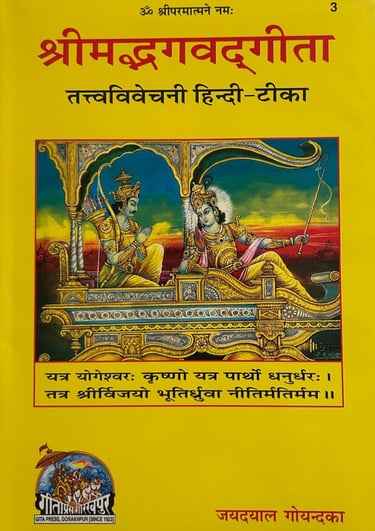

श्री हरि
श्रीभगवान ने कहा—हे अर्जुन! तुम बातें तो बड़े पंडितों (ज्ञानियों) जैसी कर रहे हो, लेकिन शोक उन बातों पर कर रहे हो जो दुःख मनाने के योग्य ही नहीं हैं। जो सच्चे ज्ञानी होते हैं, वे न तो जीवित रहने वालों के लिए शोक करते हैं और न ही मर जाने वालों के लिए।
अशोच्यान् अन्वशोचस्त्वम् (शोक न करने योग्य विषयों पर शोक)
भगवान श्रीकृष्ण अर्जुन से कहते हैं कि तुम उनके लिए आंसू बहा रहे हो, जिनके लिए दुखी होने का कोई तार्किक कारण ही नहीं है।
तत्त्वविवेचनी का दृष्टिकोण: इस संसार में केवल दो ही चीजें हैं—'सत्' (जो हमेशा रहता है, यानी आत्मा) और 'असत्' (जो बदलता और नष्ट होता है, यानी शरीर)।
जो 'सत्' है, वह कभी मर नहीं सकता, इसलिए उसके लिए रोना बेवकूफी है। और जो 'असत्' है, उसे एक न एक दिन मिटना ही है, उसके मिटने पर रोना समय की बर्बादी है। अर्जुन भीष्म और द्रोण के शरीरों के नष्ट होने के डर से रो रहे थे, जो कि प्रकृति का अटल नियम है।
प्रज्ञावादांश्च भाषसे (पंडितों जैसी बड़ी-बड़ी बातें करना)
अर्जुन ने पहले अध्याय में कुल-धर्म, जाति-धर्म, और पाप-पुण्य पर लंबा चौड़ा भाषण दिया था। वे श्रीकृष्ण को समझा रहे थे कि युद्ध करने से कितना बड़ा अनर्थ हो जाएगा।
तत्त्वविवेचनी का प्रहार: यहाँ 'प्रज्ञावाद' शब्द का प्रयोग भगवान ने बहुत सोच-समझकर किया है। इसका मतलब है—"ऐसी बातें करना जो सुनने में तो बहुत ज्ञान से भरी लगें, लेकिन उनके पीछे का मकसद अपनी कमजोरी या कायरता को छिपाना हो।"
जब हम किसी जिम्मेदारी से भागना चाहते हैं, तो हम अक्सर परिस्थितियों को दोष देने लगते हैं या कोई बड़ा दार्शनिक बहाना ढूंढ लेते हैं। श्रीकृष्ण अर्जुन के इसी मानसिक ढोंग को पकड़ते हैं और कहते हैं कि तुम्हारी बातें ज्ञानियों जैसी हैं, लेकिन तुम्हारा आचरण अज्ञानियों से भी बदतर है।
क) अपनी कमजोरी को 'नेकी' का नाम मत दीजिए
अक्सर जब हम किसी कठिन परिस्थिति का सामना करने से डरते हैं, तो हम खुद को तसल्ली देने के लिए कहते हैं, "मैं तो बहुत सीधा हूँ, इसलिए मैंने छोड़ दिया।" या "मैं विवाद नहीं चाहता, इसलिए पीछे हट गया।" जबकि सच यह होता है कि हमारे भीतर लड़ने का साहस नहीं होता। 'तत्त्वविवेचनी' कहती है कि कर्तव्य से भागना धर्म नहीं, बल्कि कायरता है।
ख) 'मैं और मेरा' का चश्मा उतारिए
अर्जुन को पूरी दुनिया के मरने का दुख नहीं था, उन्हें दुख इस बात का था कि 'मेरे' सगे-संबंधी मारे जाएंगे। हमारा दुख भी वस्तु या व्यक्ति के खोने से नहीं होता, बल्कि उस वस्तु या व्यक्ति के साथ जुड़ी हमारी 'ममता' से होता है। जिस दिन यह 'मेरा' शब्द हट जाता है, उस दिन सारा डिप्रेशन और तनाव गायब हो जाता है।
ग) मानसिक संतुलन ही असली ज्ञान है
सच्चा ज्ञानी वह नहीं है जिसने लाइब्रेरी की सारी किताबें पढ़ ली हैं। 'तत्त्वविवेचनी' के अनुसार असली पंडित वह है जो जीवन के उतार-चढ़ाव, नफ़ा-नुकसान, और सुख-दुख में अपना मानसिक संतुलन नहीं खोता।
निष्कर्ष: 2:11 हमारे भीतर के 'अंधेरे' पर पहली रोशनी है
श्रीमद्भगवद्गीता का अध्याय 2, श्लोक 11 दरअसल अध्यात्म का वह पहला 'शॉक थेरेपी' है जो भगवान अपने सबसे प्रिय मित्र और शिष्य को देते हैं। जब तक डॉक्टर घाव को साफ नहीं करेगा, तब तक दवा काम नहीं करेगी। श्रीकृष्ण ने इस श्लोक के जरिए अर्जुन के वैचारिक घाव को साफ किया है ताकि आगे आने वाला 'कर्मयोग' और 'ज्ञानयोग' उनके दिल में उतर सके।
'तत्त्वविवेचनी' हमें सिखाती है कि जब भी जीवन में असमंजस हो, तो रोने या बड़ी-बड़ी दार्शनिक बातें करने के बजाय, खुद को साक्षी भाव में लाकर खड़े कर दीजिए। सत्य अपने आप सामने आ जाएगा।
श्रीभगवानुवाच
अशोच्यानन्वशोचस्त्वं प्रज्ञावादांश्च भाषसे ।
गतासूनगतासूंश्च नानुशोचन्ति पण्डिताः ॥ २.११ ॥
गतासूनगतासूंश्च नानुशोचन्ति पण्डिताः (ज्ञानी पुरुष कभी शोक नहीं करते)
यहाँ 'गतासून्' का अर्थ है जिनके प्राण चले गए हैं (मृतक) और 'अगतासून्' का अर्थ है जिनके प्राण अभी नहीं गए हैं (जीवित)।
तत्त्वविवेचनी का मर्म: जो सच्चे 'पंडित' (जिन्होंने आत्म-तत्त्व को जान लिया है) होते हैं, वे इन दोनों ही अवस्थाओं में सम रहते हैं। वे जानते हैं कि जैसे कोई इंसान पुराने कपड़े बदलकर नए कपड़े पहन लेता है, वैसे ही आत्मा पुराना शरीर छोड़कर नया शरीर धारण कर लेती है। इसलिए न तो किसी के मरने पर छाती पीटना सही है और न ही किसी के जीवित रहने पर अत्यधिक मोह में बंधना।
'तत्त्वविवेचनी' से मिलने वाले हमारे दैनिक जीवन के 3 कड़वे सच
यह लेख सिर्फ कुरुक्षेत्र के मैदान तक सीमित नहीं है, यह आज के हमारे और आपके जीवन का आईना है:
Krishna bhakti store
Explore our sleek website template for seamless navigation.
Contact
Newsletter
📞 Phone: +91 78780 34406
WhatsApp: +91 86190 66603
✉️ Email: seervia91@gmail.com
© 2026. All rights reserved.